
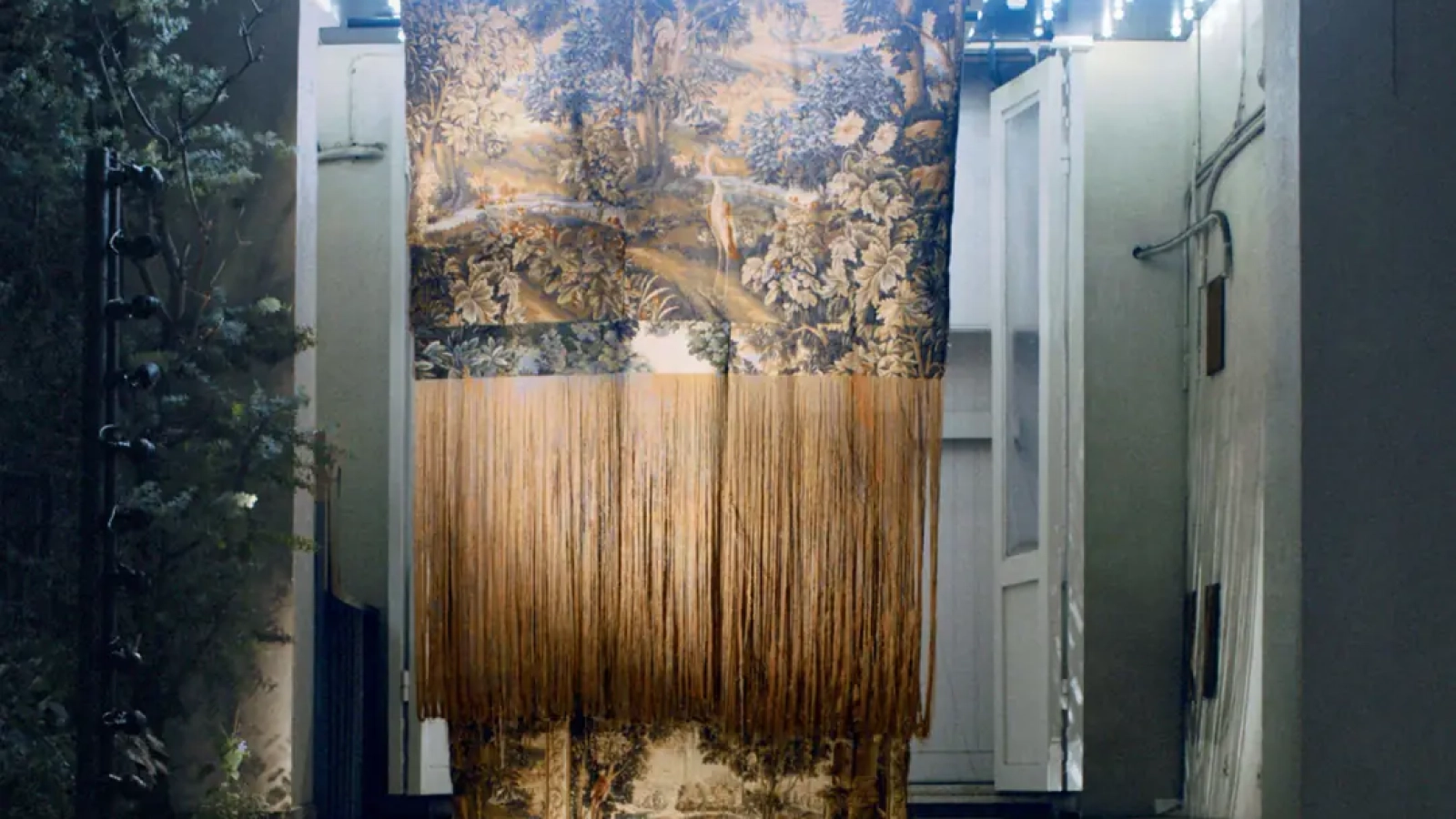
A former electronics factory in a quiet Tokyo neighbourhood is an unlikely place to find a fashion house’s self-portrait. For Maison Margiela, that is precisely the point. Marking twenty years at 2-8-13 Ebisu-Minami, the house turns its Tokyo flagship into the subject of a new archival chapter—and the setting for a conversation about what old materials can become.
A different kind of first store
Maison Margiela opened its first-ever retail store in September 2000, choosing Ebisu over Paris, Antwerp or Brussels. Its original home was a traditional wooden minka at 3-3-3 Ebisu-Minami, tucked away on a leafy street rather than positioned within an established luxury shopping district.
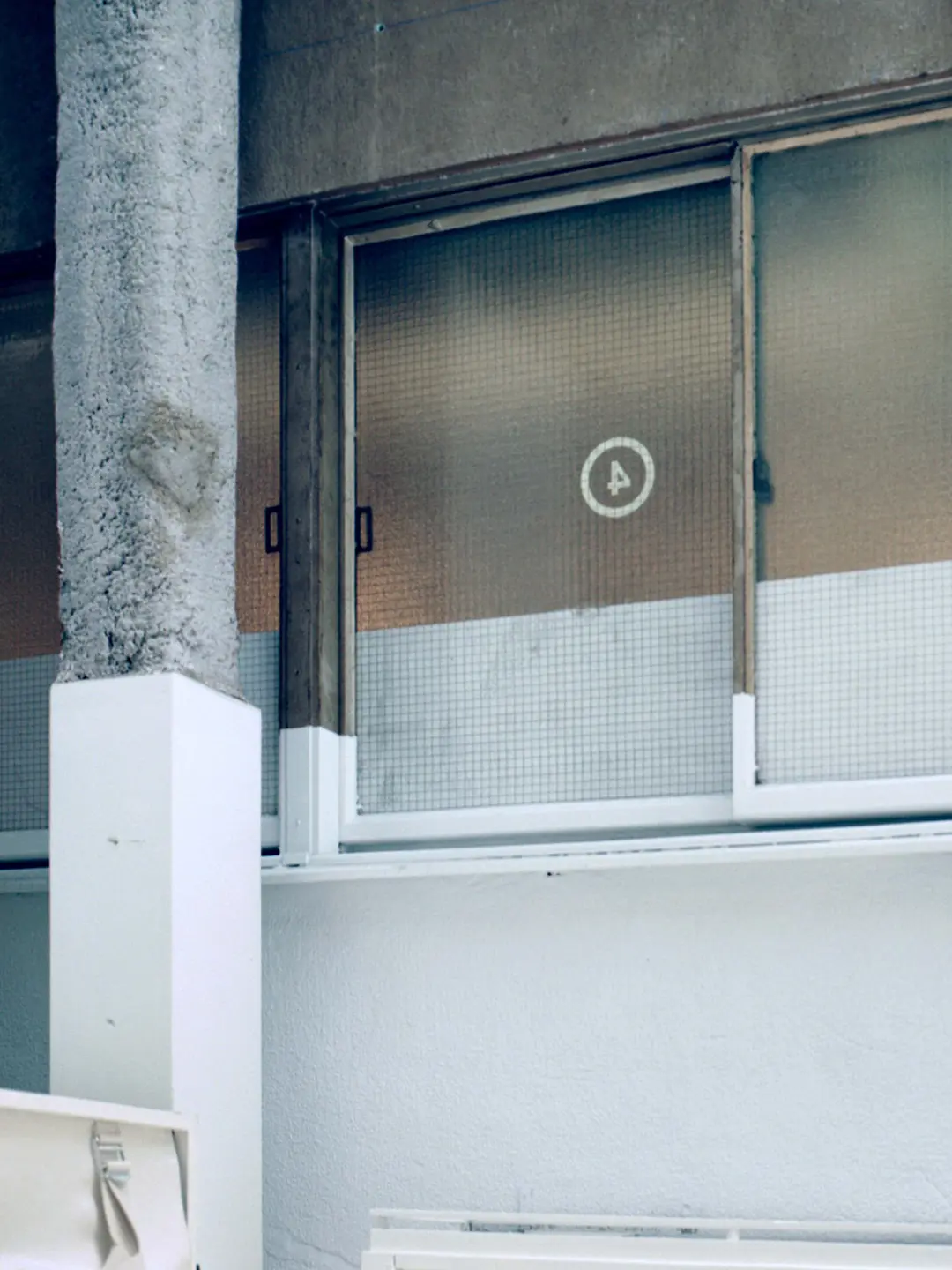
When the boutique relocated in 2006, the move took it only five minutes away. The former electrical products factory at 2-8-13 offered another way to work with an existing building instead of beginning with a blank slate. Twenty years later, that decision anchors the anniversary: the milestone belongs to this address, while the store’s story began six years earlier.
The archive steps into Ebisu
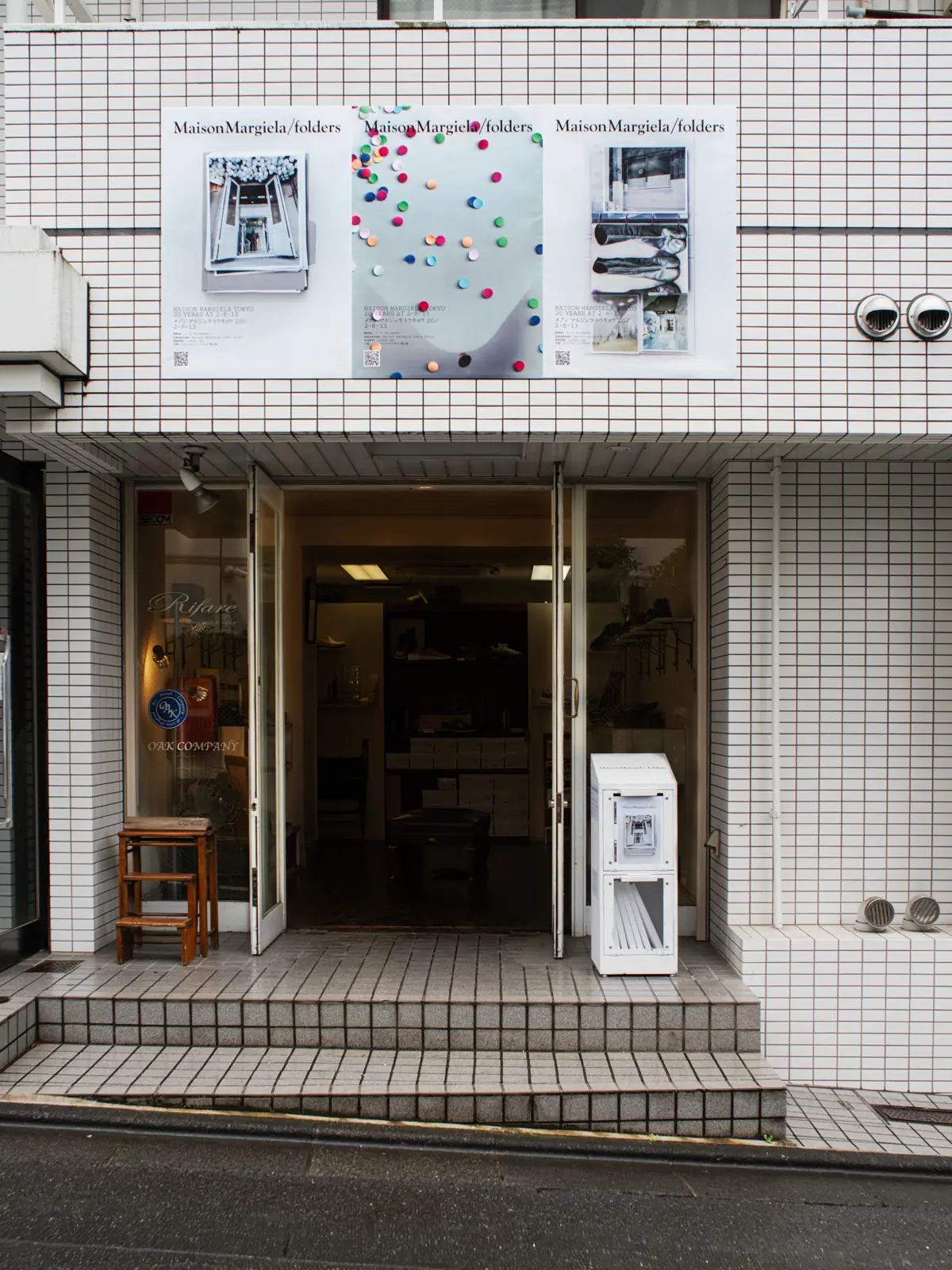
The new chapter of MaisonMargiela/folders, titled Maison Margiela Tokyo: 20 Years at 2-8-13, brings together archival research, memories from longstanding team members and encounters with the local community. It follows the project’s first chapter, released in April 2026, which explored Artisanal, Bianchetto, Tabi and Anonymity.
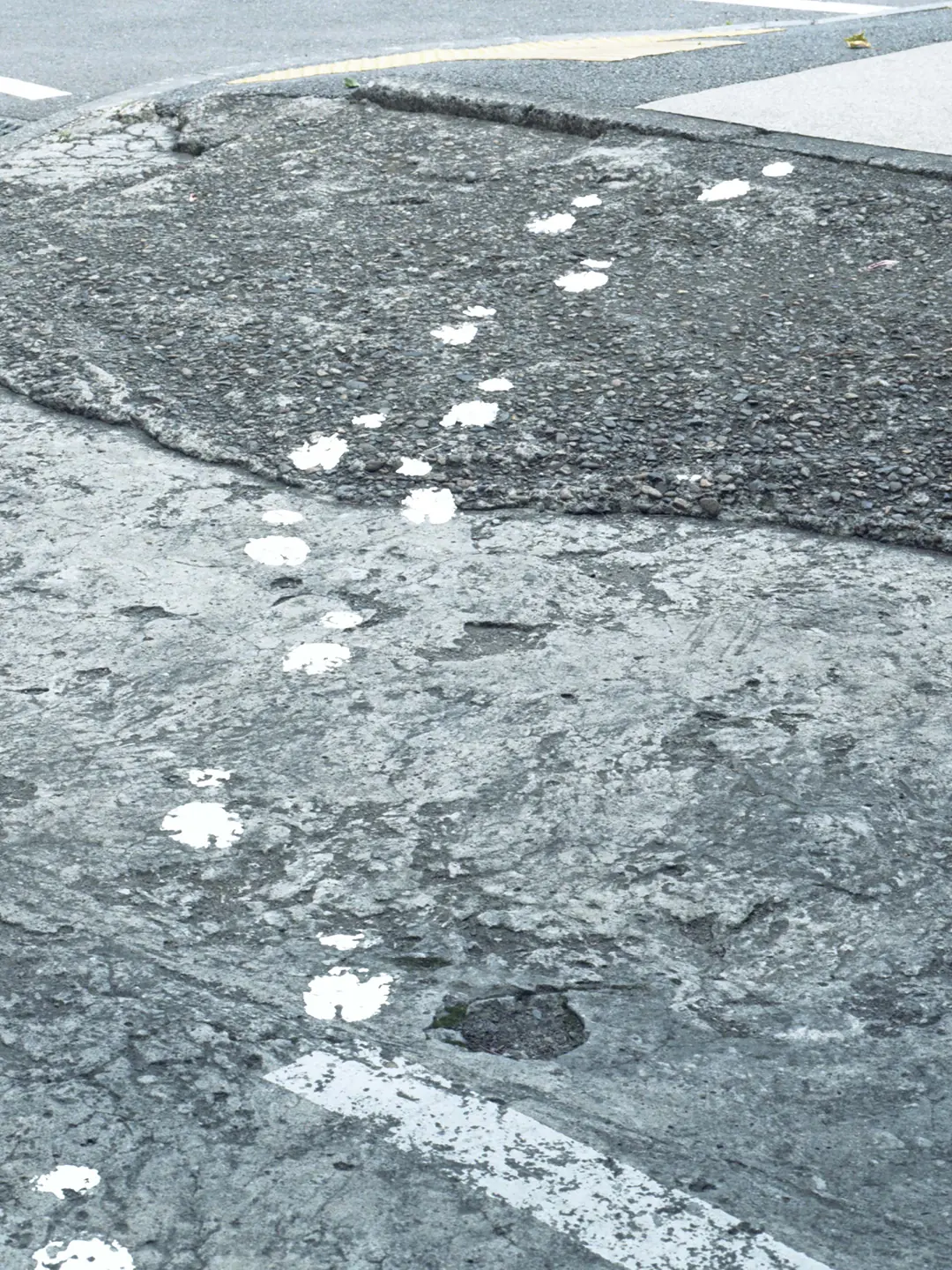
A limited-edition zine, distributed across Ebisu and in the store on November 5, carries that research into the neighbourhood itself. The material traces the flagship’s evolution, revisits the history of the Tabi and includes conversations with local collectors. The complete folder is also shared digitally, extending a distinctly local story beyond Tokyo.
Unravelling memory
The anniversary’s most tangible expression is Unravelled Memory, Rewoven Future, a Line 2 installation created through a dialogue between Tokyo-based artist Mio Suzuki and Les Manufactures Nationales – Sèvres & Mobilier National.
The French institution selected 59 contemporary and antique tapestries, some up to 400 years old, and sent them to Suzuki in Tokyo. Over three months, she unravelled and rewove the materials into pieces installed throughout the store. Threads become a way to reconsider time, memory and transformation, connecting the building’s own repurposing with Margiela’s longstanding exploration of tapestry.
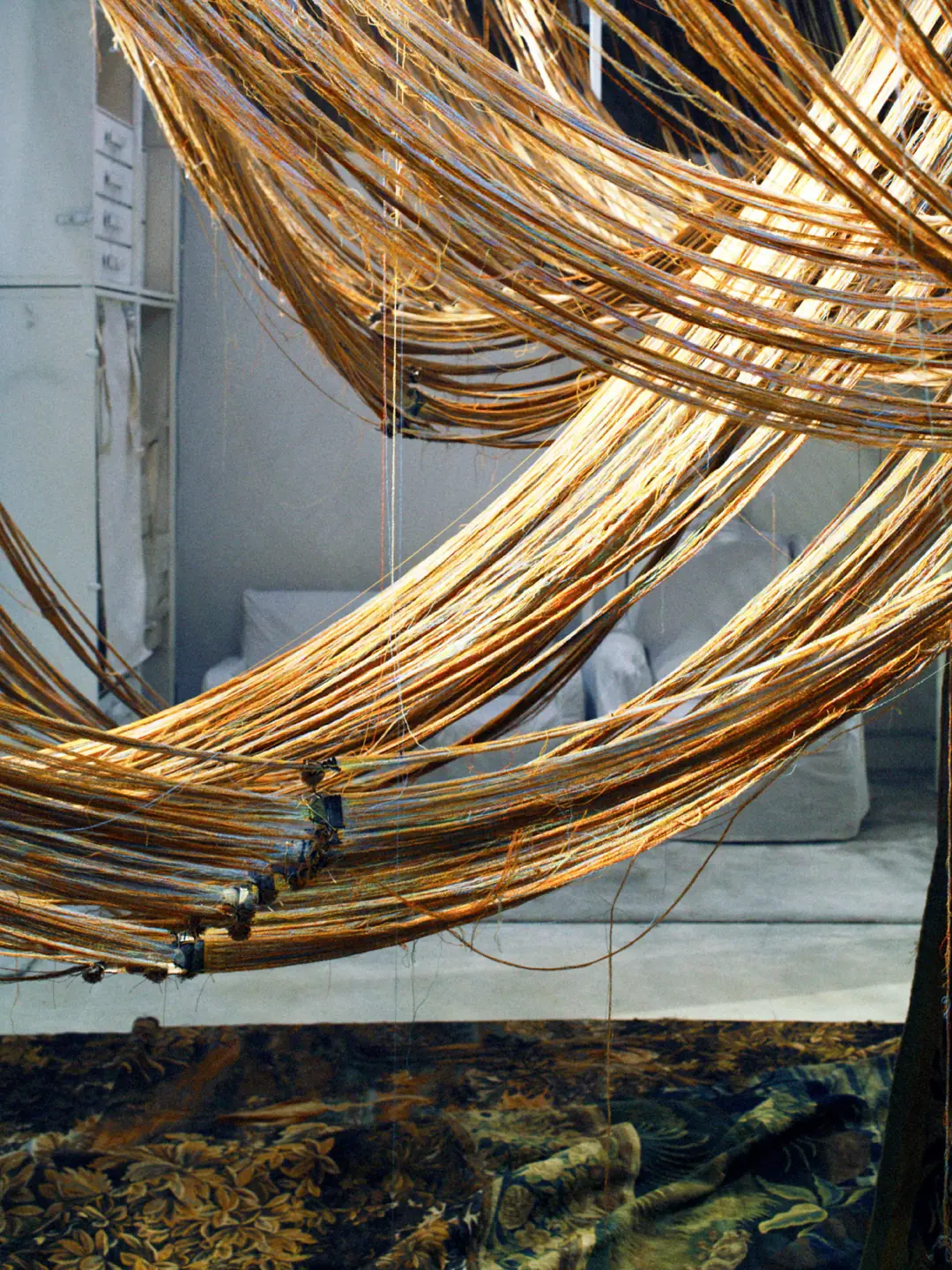
Among the oldest works are European Verdure tapestries whose plant motifs were inspired by Japanese decorative art. That existing exchange gives the collaboration another layer: the materials arrive carrying histories of cultural dialogue before Suzuki begins to rework them.
The factory after dark
The project also finds a different visual language in The Factory at Night, a manga commissioned from local artist Takehito Moriizumi. Inspired by the building’s former life as an electrical products factory, it brings the site’s history into an illustrated narrative.
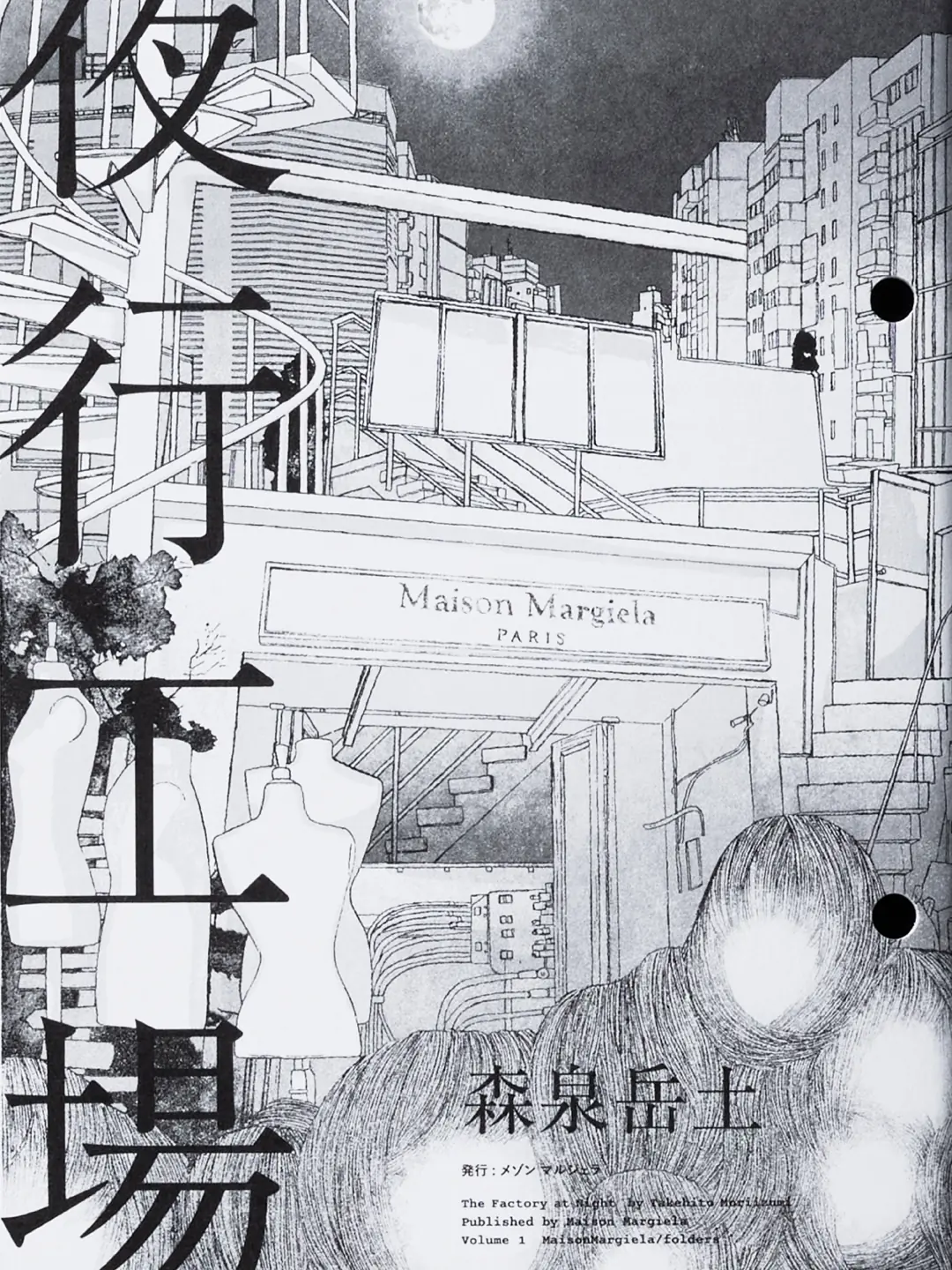
Taken together, the installation, publication and manga treat the flagship as more than a retail interior. Its architecture, staff and neighbours become part of the archive—evidence of a relationship built through staying in one place.
Unravelled Memory, Rewoven Future is open to the public at Maison Margiela Tokyo Ebisu, 2-8-13 Ebisu-Minami, from November 5–15, 2026. The anniversary archive is available through MaisonMargiela/folders.
Añadir un comentario